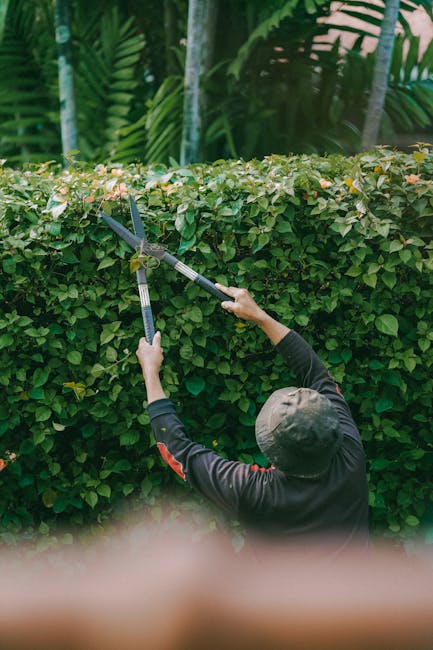
Whetstone garden maintenance rules Barnet Council explained
If you live in Whetstone, garden upkeep can feel simple on a quiet Saturday morning and suddenly less simple the moment hedges creep over a path, green waste starts piling up, or a neighbour mentions something about boundaries. That is exactly why Whetstone garden maintenance rules Barnet Council explained matters. You want a tidy, healthy garden, but you also want to stay on the right side of local expectations, avoid nuisance complaints, and make sensible choices about trees, hedges, fences, and general upkeep.
This guide walks through the practical side of garden maintenance in Barnet, what residents are usually expected to do, where confusion often starts, and how to keep your outdoor space looking cared for without overcomplicating it. We will keep it plain-English, useful, and local. No fluff. Just the stuff that actually helps.
For readers who want hands-on support, services such as garden maintenance in Whetstone can make the regular jobs much easier to stay on top of, especially if the garden has got away from you a bit. And let's be honest, that happens more often than people admit.
Table of Contents
- Why these rules matter in Whetstone
- How garden maintenance expectations usually work
- Key benefits of staying compliant and tidy
- Who this guidance is for
- Step-by-step guidance for practical upkeep
- Expert tips for better results
- Common mistakes to avoid
- Tools, resources and recommendations
- Law, compliance, standards and best practice
- Options and methods compared
- Case study-style real-world example
- Practical checklist
- Conclusion
- Frequently asked questions
Why Whetstone garden maintenance rules Barnet Council explained Matters
Garden maintenance rules sound dry until they affect your day-to-day life. In a borough like Barnet, where homes often sit close together and front gardens, side access, shared boundaries, and tree cover all matter, neglected outdoor spaces can cause real friction. An overgrown hedge can block visibility. A badly placed fence can trigger boundary confusion. Fallen leaves and unchecked weeds can make paths slippery and make a property look tired very quickly.
There is also the simple matter of goodwill. A neat garden tends to create fewer complaints, fewer awkward conversations, and fewer little issues that become bigger ones. In our experience, the problem is rarely one dramatic breach. It is usually a slow build-up: grass left too long, shrubs narrowing a walkway, ivy taking over a wall, or waste left sitting in sacks because nobody quite got round to disposal.
That is why understanding the local approach is so useful. You are not just maintaining appearances; you are keeping the space safe, manageable, and respectful to neighbours and passers-by. If you are planning bigger changes, such as improving layout, resurfacing worn areas, or managing difficult planting, a broader gardening services in Whetstone approach can help you deal with the whole picture rather than one job at a time.
Expert summary: The main aim is not perfection. It is sensible upkeep, good neighbour relations, and avoiding problems that could have been prevented with a bit of regular attention.
How Whetstone garden maintenance rules Barnet Council explained Works
There is not usually one single "garden rulebook" that covers every household in the same way. Instead, garden maintenance in Barnet is shaped by a mix of local expectations, property responsibilities, planning considerations, and common-sense standards. The practical question is simple: does the garden create a nuisance, a safety issue, or a boundary problem?
That is the lens most people need to use. If your hedge is growing over a pavement, it may need trimming back. If a tree is showing signs of disease or leaning in a concerning way, it may need a closer look from a qualified specialist. If the space is becoming overrun by weeds, brambles, or dead material, it may be time for a proper reset rather than another quick tidy.
Typical garden maintenance expectations usually include:
- keeping lawns cut to a manageable height
- trimming hedges and shrubs so they do not obstruct access or visibility
- removing dead branches and hazardous growth
- keeping paths, patios, and borders reasonably clear
- disposing of green waste properly
- maintaining fences, gates, and boundary features
For hedges that are becoming bulky or awkward, hedge trimming in Whetstone is one of the most practical ways to stay ahead of the problem. If trees are the issue rather than shrubs, it is worth thinking in terms of safety and structure, not just appearance, and that is where tree surgery in Whetstone becomes relevant.
Front gardens and side return spaces are often the first place where standards slip, because people see them as "not urgent." Then suddenly they are urgent. Funny how that happens, isn't it?
Key Benefits and Practical Advantages
Good garden maintenance has benefits beyond a neat first impression. In real life, the gains are practical, financial, and emotional. A controlled garden is easier to use, easier to enjoy, and easier to sell if you ever decide to move.
1. Better safety
Long grass hides uneven ground. Overhanging branches can shed debris. Slippery patio areas become more dangerous when moss is left to spread. Regular attention reduces the chance of simple accidents that nobody wants on a damp November evening.
2. Less conflict with neighbours
A hedge that strays over a boundary, a fence that falls into disrepair, or climbing growth that creeps across shared lines can all lead to arguments. Keeping things under control helps avoid the sort of chat everyone would rather skip.
3. Stronger plant health
Maintenance is not just cutting and clearing. It also means deadheading, seasonal pruning, feeding where appropriate, and removing diseased material before it spreads. Healthy gardens are usually not accidental; they are managed.
4. A more usable outdoor space
You are far more likely to sit outside, plant herbs, or let children play if the space feels calm and maintained. If the garden has hard landscaping features as well, periodic patio cleaning in Whetstone can make the whole area feel sharper with very little fuss.
5. Easier long-term upkeep
Small jobs cost less in effort than big recoveries. That is the real secret. A little routine work now saves a lot of weekend pain later.
Who This Is For and When It Makes Sense
This guidance is for homeowners, landlords, tenants with gardening responsibilities, property managers, and anyone in Whetstone who wants to avoid garden-related hassle. It is also useful if you are inheriting an overgrown space and do not know where to start. Truth be told, that first look can be a bit deflating.
It makes particular sense if any of the following apply:
- your hedge reaches the pavement or neighbour's side
- your lawn is regularly going beyond "a bit long" into jungle territory
- your trees are shading the house heavily or dropping too much debris
- your fence, deck, or borders need repair as part of a broader tidy-up
- you are preparing to sell, rent, or simply restore order
- you have a busy schedule and maintenance keeps slipping
For a lot of households, the issue is not willingness. It is time. If that sounds familiar, a reliable lawn mowing in Whetstone service or ongoing lawn care in Whetstone can take a constant pressure off the week.
Some gardens also need more than maintenance. If the layout is awkward, drainage is poor, or planting beds are just not working, then small repairs may not be enough. That is when landscaping in Whetstone can be the smarter route.
Step-by-Step Guidance
If you want to manage garden maintenance sensibly, do it in stages. That way the work stays manageable, and you are less likely to miss something important.
Step 1: Walk the garden like an inspector
Start with a slow look around. Check edges, fences, gates, paths, hedges, branches, lawns, and anything that touches a boundary. You are looking for overgrowth, damage, trip hazards, and areas where the garden is starting to spill out of control.
Step 2: Deal with safety issues first
Remove loose branches, unstable features, broken panels, or anything obstructing access. If a tree looks unsafe, stop and get advice before tackling it casually with a saw and optimism. That is usually a poor combination.
Step 3: Tidy the perimeter
Hedges, fences, and boundary lines are the most visible parts of a property. A clean perimeter makes the whole place look cared for. If a fence needs repair or replacement, it may be worth pairing maintenance with fencing in Whetstone work so the boundary is both neat and secure.
Step 4: Bring the lawn back under control
Cut the grass at an appropriate height, then edge borders and check for weeds. If the lawn is patchy, compacted, or full of moss, maintenance may need to become lawn recovery instead. That can take a few cycles, not one miracle pass.
Step 5: Clear weeds and unwanted growth
Weeds in paving joints, border edges, and gravel areas can spread faster than expected, especially after wet weather. A targeted approach works best: pull, cut back, mulch, or treat according to the planting area and material surface.
Step 6: Prune with restraint
Do not go in swinging. A well-pruned shrub still looks like itself. Heavy cutting can leave bare, stressed growth. Keep shaping cuts clean and purposeful, and give flowering shrubs the right seasonal treatment rather than a one-style-fits-all chop.
Step 7: Finish with waste removal and a final check
Green waste, fallen twigs, and swept debris should be cleared, not left to reappear in a week's time. Then walk the garden again. You will nearly always spot one more thing. That is just how gardens behave.
Expert Tips for Better Results
Here are the small habits that make a big difference over time.
- Work seasonally, not randomly. Spring and early autumn are especially useful moments to reset a garden before growth surges or weather turns.
- Prioritise the jobs that affect access. Paths, gates, side returns, and pavement edges matter more than a hidden corner of ivy if space is limited.
- Keep an eye on plant behaviour. Some shrubs are tidy by nature; others will fill every gap if left alone for a fortnight.
- Use mulching where appropriate. It helps suppress weeds and hold moisture, which is handy in a dry spell.
- Don't overdo pruning before winter. A hard cut at the wrong time can leave tender growth exposed.
- Choose the right tools for the right scale. A small pair of shears is fine for detail. A much bigger job may call for professional help, especially where height or access is involved.
If you enjoy a garden that feels calm and orderly rather than overworked, the maintenance style matters almost as much as the maintenance itself. It should feel like stewardship, not battle.
For bigger clean-ups, especially if the space has become heavily weeded or neglected, there are useful ideas in first steps to breathe life into your untended garden and effective weed management tips.
Common Mistakes to Avoid
Most garden problems are not caused by one huge mistake. They come from a handful of small missteps repeated over and over.
Ignoring the boundary line
Hedges and shrubs do not respect fences. If you leave them too long, you can create issues with neighbours, pedestrians, and visibility on the street.
Pruning everything the same way
Different plants need different care. A quick chop may be fine for some shrubs, but completely wrong for others. If you are unsure, pause. Guessing is not a strategy.
Leaving waste to accumulate
Green waste left in piles or bags can look untidy and attract pests or mould. It is better removed promptly, especially after larger cuts.
Forgetting hard surfaces
Patios, decking, and paths are part of the maintenance picture too. Moss, algae, and leaf buildup turn them from useful spaces into awkward, slippery ones. If timber areas are involved, decking services in Whetstone may be worth considering for repairs or upgrades.
Doing too much at once
Very common. People start with good intentions, then try to tame the whole garden in one afternoon and end up sore, tired, and surrounded by bags of cuttings. Better to chip away steadily.
Tools, Resources and Recommendations
You do not need a shed full of specialist kit to keep a garden in decent shape, but a few reliable tools make life easier.
| Task | Useful tool or approach | Notes |
|---|---|---|
| Grass cutting | Reliable mower | Best for keeping regular height under control |
| Edge finishing | Shears or edging tool | Sharp edges make an enormous visual difference |
| Hedge shaping | Long-reach hedge trimmer or professional trimming | Use caution on tall or wide hedges |
| Tree care | Qualified arboricultural help | Safer for height, weight and disease issues |
| Surface cleaning | Brush, scraper, low-pressure cleaning method | Gentle methods are often better for older surfaces |
| Weed control | Hand removal, hoeing, mulching, or targeted treatment | Choose the method that suits the surface and planting |
For readers who like a smarter, more efficient routine, good general tools are worth their weight. There is a helpful overview in tools every outdoor gardening buff should own, and if you are thinking in terms of reworking the whole space, essential gardening tips for a fresh start is a useful companion read.
Practical note: if the garden is too large, too dense, or too awkwardly laid out, equipment alone will not solve the workload. Sometimes the best resource is time saved, not tools bought.
Law, Compliance, Standards, or Best Practice
Because this topic touches local expectations, it is worth being careful. Garden maintenance is not usually about obscure rules tucked away in a drawer; it is about general responsibility, safe upkeep, and avoiding nuisance or hazard. Where trees, boundary features, or access points are involved, best practice matters even if no one has issued you a dramatic notice.
In practical terms, that means:
- keeping vegetation from obstructing pavements, driveways, or shared access
- maintaining trees and hedges so they do not create a safety risk
- being mindful of neighbour boundaries and right-of-way areas
- disposing of waste lawfully and responsibly
- using qualified help for higher-risk work
For tree work especially, caution is sensible. Heavy limbs, unstable trunks, and awkward access are not good DIY territory unless you really know what you are doing. Better safe than sorry, as they say, and in this case it is not a cliche for no reason.
If you are weighing up whether a job is maintenance, repair, or redesign, that is often the moment to step back and ask whether a one-off tidy-up is enough. Sometimes it is. Sometimes it really is not.
Options, Methods, or Comparison Table
Different garden issues call for different responses. Here is a straightforward comparison that may help you choose the right approach.
| Approach | Best for | Pros | Limits |
|---|---|---|---|
| Routine DIY maintenance | Small lawns, light weeding, simple trimming | Low cost, flexible, easy to schedule | Time-consuming, may miss hidden problems |
| Occasional professional help | Seasonal resets, hedge work, occasional repairs | Efficient, neat finish, less physical effort | Needs booking and planning |
| Ongoing maintenance plan | Busy households, larger gardens, rental properties | Consistent standard, fewer surprises | Higher ongoing commitment |
| Full garden makeover | Overgrown, awkward, or outdated spaces | Can transform use and appearance | More involved, more time and cost |
If you already know the garden needs more than regular trimming, a broader service can be the better fit. In many cases, Whetstone gardening services are the practical route because they can combine mowing, pruning, weeding, clearance, and finishing in one visit.
Case Study or Real-World Example
Picture a typical Whetstone front garden in late summer. The lawn has gone pale at the edges, the hedge has wandered beyond its line, and the path is collecting leaf debris. Nothing dramatic. Just enough to make the whole frontage feel slightly tired. The homeowner keeps meaning to sort it, but every week there is something else: school runs, work, rain, and that strange habit gardens have of needing attention exactly when you do not have any spare time.
So the job gets broken into parts. First the hedge is cut back to remove the overhang. Then the lawn is mown and edged. The path is cleared, the borders weeded, and a few damaged fence panels replaced. A tree with deadwood is checked before it becomes a hazard. By the end of it, the garden is not "perfect," but it is back to feeling like part of the home rather than a problem waiting in the background.
That is usually the real win. Not perfection. Relief.
Practical Checklist
Use this as a quick seasonal or monthly check. It is the sort of list that saves you from looking at the garden and thinking, where on earth do I even begin?
- Check hedges for overgrowth onto paths or boundaries
- Inspect trees for dead branches, leaning, or crowding
- Mow lawns before they become too long to manage easily
- Edge borders and clear weeds from hard surfaces
- Remove fallen leaves, twigs, and general debris
- Look at fences, gates, and panels for wear or damage
- Clean patios and paths if moss or algae are building up
- Review drainage and water pooling after rain
- Dispose of green waste properly
- Book help for high, heavy, or risky work
If your garden has a lot of ornamental planting, you may also want inspiration for structure and coverage. Ideas like ground cover ideas for UK gardens or creative hedge trimming shapes and techniques can help you think beyond basic maintenance.
Quick takeaway: do the small things before they become the big things. That one habit keeps most gardens manageable.
Conclusion
Understanding Whetstone garden maintenance rules Barnet Council explained is really about understanding responsibility. Keep the garden safe, keep boundaries sensible, keep waste under control, and pay attention before minor issues become annoyances. That approach works whether you are caring for a compact front garden or a larger back plot with trees, decking, and a few stubborn weeds that keep staging a comeback.
The best gardens are not always the fanciest. Often they are the ones that feel cared for, season after season, without drama. A little attention goes a long way. A bit of planning goes even further.
If your garden needs a reset, or you would rather have experienced help handling the ongoing work, now is a good time to take the next step and get the right support in place.
Get a free quote today and see how much you can save.
And if all you do after reading this is clear one border, trim one hedge, or book the job you have been putting off, that is still a solid win. Gardens do respond, quietly, to consistent care.
Frequently Asked Questions
What are the main garden maintenance expectations for Whetstone homeowners?
The main expectations are usually straightforward: keep lawns, hedges, trees, fences, paths, and borders in reasonable condition, avoid obstructing access or visibility, and manage waste properly. It is more about sensible upkeep than perfection.
Do Barnet Council rules mean I have to cut my hedge on a fixed schedule?
Not usually on a fixed schedule. The practical expectation is that hedges should not become a nuisance, block paths, or create safety problems. The right timing depends on growth rate, season, and the hedge type.
What happens if a hedge grows over the pavement?
If a hedge extends over a pavement, it can make walking awkward and potentially unsafe, so it should be cut back. If the hedge is tall, wide, or difficult to manage, professional trimming is often the safer choice.
Can I prune trees in my garden whenever I like?
You can do routine pruning in many cases, but tree work needs care. If a tree is large, damaged, diseased, or close to property lines, it is better to get qualified help before doing anything major.
Is garden waste my responsibility?
Generally, yes. If you generate green waste through your own gardening work, you are responsible for storing, composting, reusing, or disposing of it properly. Leaving it stacked up for weeks is rarely a good look.
How often should a garden in Whetstone be maintained?
For most homes, little and often works best. Lawns may need attention weekly or fortnightly in peak growing periods, while hedges, borders, and surfaces may need seasonal or monthly care depending on the garden's size and pace of growth.
What if I rent my home and the garden is neglected?
It depends on the tenancy agreement, but garden responsibilities are often shared or clearly assigned. If you are unsure, check the agreement first and then act early, because a neglected garden can become harder to sort very quickly.
Should I hire help for routine garden maintenance or just do it myself?
That depends on time, physical ability, garden size, and how much work is involved. Many people do the lighter jobs themselves and bring in help for hedges, lawns, tree work, or seasonal resets. That split is often the sweet spot.
What is the best time of year for a major tidy-up?
Spring and early autumn are usually practical times for a bigger refresh, though timing depends on what needs doing. Heavy pruning, lawn repair, and boundary tidy-ups often work best when growth conditions are favourable.
When does maintenance become landscaping instead?
If the garden has structural problems, poor layout, drainage issues, unusable areas, or features that need redesign rather than simple care, you are moving into landscaping territory. That is when a broader plan makes more sense than repeated quick fixes.
How do I know if tree work is risky enough to call a professional?
If branches are high, the tree is large, there is visible decay, or the work requires ladders and awkward cutting, it is sensible to call a professional. Tree work can look deceptively simple until it is not.
Can regular maintenance improve property appearance quickly?
Absolutely. A mown lawn, trimmed hedge, clean path, and tidy boundary can transform the feel of a property in a single visit. It is one of the fastest ways to make a home feel cared for again.