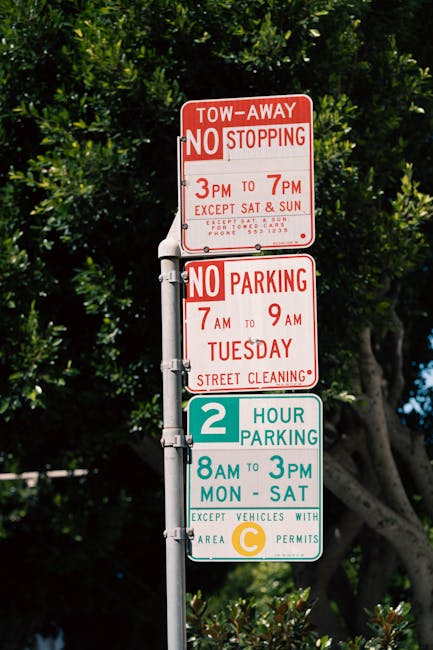
Permit and waste rules for garden clearance Barnet Council N20
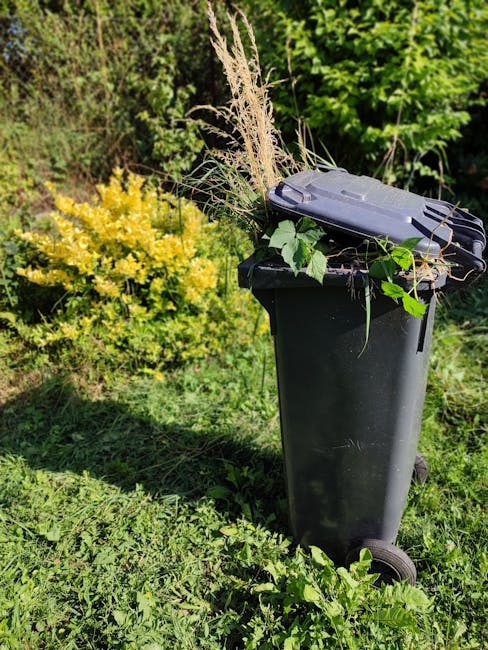
If you are planning a garden clearance in N20, the paperwork and disposal side can be just as important as the cutting, lifting, and loading. Permit and waste rules for garden clearance Barnet Council N20 can affect where a van can stop, how green waste is handled, and whether a job runs smoothly or turns into a messy, avoidable headache. To be fair, most people only think about the visible clutter: hedge trimmings, old fencing, broken pots, soil, and maybe a sagging shed panel. But the real difference between a tidy clearance and an expensive mistake is usually compliance.
This guide breaks down the practical side in plain English: what permits may be needed, what counts as controlled waste, how garden waste is normally separated, and what sensible steps help you stay on the right side of local rules. It also covers planning, risk points, and the little details that often get missed when a clearance is done in a rush. If you want a cleaner garden and fewer surprises, you are in the right place.
Why Permit and waste rules for garden clearance Barnet Council N20 Matters
Garden clearance looks simple from the outside. You cut, rake, bag, load, and off you go. But the reality in a built-up area like N20 is that access, parking, loading times, waste segregation, and disposal all matter. A job can be perfectly safe in the garden and still run into trouble on the pavement, at the kerb, or when waste is handed off without the right paperwork.
The first reason this matters is legal responsibility. If garden waste is not dealt with properly, the person who arranged the clearance may still be dragged into the issue, even if they hired someone else to do the work. That is the bit people often miss. The second reason is practical: the wrong disposal method can mean delays, missed collections, fly-tipping risk, or extra charges that arrive later and sting a bit.
There is also a neighbourhood side to this. In a place like Barnet, where driveways can be tight and streets can be busy, a clearance done without thought for access can block bins, annoy neighbours, or create a hazard. If a team is also handling related work such as hedge trimming in Whetstone or tree surgery support, the volume and type of waste can jump quickly. Suddenly it is not just "garden rubbish"; it is a mixed load with branches, stump material, woody cuttings, and maybe treated timber. Different handling, different rules.
And yes, the rules can feel a bit fiddly. But that is exactly why a clear system helps. It keeps the job tidy, protects the property, and avoids that sinking feeling when a pile of clippings sits at the front of the house longer than planned. Nobody enjoys that smell on a warm afternoon.
How Permit and waste rules for garden clearance Barnet Council N20 Works
At a practical level, there are usually two separate issues to think about: permission to use or occupy the public highway, and rules for moving, storing, and disposing of waste. They sound similar, but they are not the same thing.
A permit may be needed if a vehicle, skip, or loading operation affects the road, footway, or parking space in a way that requires local approval. That could include a skip placed near the property, a van loading for a long period, or work that temporarily limits access. The exact need depends on the setup, location, and how the clearance is arranged. In many cases, small domestic garden clearances do not require a formal permit, but assuming that without checking can be a costly little gamble.
Waste rules are broader. Garden waste usually includes grass cuttings, leaves, hedge trimmings, branches, weeds, and small roots. In many real jobs, you also get mixed materials: plastic pots, old compost bags, fencing offcuts, broken paving, or soil. The key is not to bundle everything together and hope for the best. Mixed loads are where problems begin.
As a rule of thumb, you should separate:
- Green waste such as plant cuttings, grass, weeds, and leaves
- Woody waste such as branches, stems, and hedge cuttings
- Inert materials such as soil, rubble, stones, and concrete
- Non-garden items such as timber, plastics, metals, or general household rubbish
This separation matters because not all materials can go into the same collection stream. It also affects cost. Heavy waste like soil and rubble often needs a different disposal route than light green waste. If you are also upgrading the space, maybe after a clearance leading into landscaping work or a new deck from decking services in Whetstone, planning waste categories upfront saves time and quite a lot of back-and-forth.
One more thing: if you are using a contractor, ask how they will document waste transfer and disposal. That sounds dry, but it is the sort of detail that separates a professional job from a hopeful one.
Key Benefits and Practical Advantages
Getting the permit and waste side right is not just about avoiding trouble. It makes the whole project easier to live with.
First, it keeps your clearance efficient. Loads are prepared properly, waste is sorted properly, and the job moves faster. There is less stop-start decision-making on the day, which, honestly, is half the battle.
Second, it helps control cost. A mixed load that should have been separated can be more expensive to remove. Clearance crews often price by volume, weight, access, and disposal type. Keeping green waste, timber, and rubble apart can reduce unnecessary charges.
Third, it reduces the risk of complaints or enforcement issues. If waste is left in a front garden, on a verge, or outside the property without proper arrangements, it can become a nuisance very quickly. One damp bag of clippings in the wrong place is enough to cause a smell and attract attention. Not ideal.
Fourth, it supports better garden aftercare. When clearance waste is handled properly, the garden is left ready for the next step, whether that is mowing, lawn repair, hedge shaping, or a broader maintenance reset. If that is your next stage, a service like garden maintenance in Whetstone or lawn care may make a lot more sense after the clutter is gone.
Finally, it is better for the environment. Garden waste that is cleanly separated can often be processed more responsibly than a mixed heap of unknown material. That is especially true when waste has been left to build up over months and now includes soil, branches, old planting containers, and the odd forgotten bit of fence panel.
Who This Is For and When It Makes Sense
This guidance is for anyone in N20 facing more than a quick tidy-up. If you have a few bags of leaves, you may not need much beyond normal collection or local disposal options. But once the job becomes a real clearance, the permit-and-waste questions start to matter.
You will find this especially useful if you are:
- clearing an overgrown garden after months or years of neglect
- removing hedge cuttings, branches, and bulky green waste
- preparing a garden for sale, rental, or end-of-tenancy handover
- updating the garden before new turf, planting, or fencing
- dealing with mixed waste from broken hard landscaping or old timber structures
- booked for a one-off tidy but unsure how the waste will be removed
It also makes sense if you are working around school runs, permit-controlled parking, or a shared access road. In those cases, even a short loading period can become awkward if nobody planned it properly. The same applies when a clearance is done alongside related work such as lawn mowing or patio cleaning, because access routes and storage space get crowded fast.
Truth be told, most people only realise they need this guidance after they have already booked someone. That is fine. Better late than after the bags are stacked on the pavement and everyone is staring at them.
Step-by-Step Guidance
Here is the simplest way to manage a garden clearance with permit and waste rules in mind.
- Survey the waste types first. Walk the garden and separate green waste from heavy waste, timber, plastics, and anything that looks suspiciously like building debris.
- Check access and loading conditions. Decide where vehicles can stop safely, whether a driveway is available, and whether parking or highway use might need approval.
- Decide what should stay and what should go. Keep compostable material distinct from items that need disposal elsewhere. It is easier to make this call before the pile grows.
- Choose the removal method. Options may include bagging for collection, a licensed waste carrier, a skip, or staged removal over several loads.
- Confirm any permit need before the work starts. If you are placing a skip or using the street for loading, do not leave the permit question until the day of the job.
- Keep waste off public paths and boundaries. Put it somewhere safe on your own land until it is collected or loaded properly.
- Ask for evidence of lawful disposal. If a contractor removes waste, request a simple paper trail or confirmation that it will be dealt with through proper channels.
A lot of problems disappear if you do the first two steps properly. That is the honest version. People love to jump straight to bags and bin liners, but access and sorting are the foundations. Skip them and the whole thing gets wobbly.
If the job is part of a broader garden reset, it can help to think ahead to what happens next. For example, if hedge cutting is followed by shape maintenance, hedge trimming services may be the next sensible call. If the whole space is being redesigned, then landscaping support can turn a clear, empty patch into something genuinely useful.
Expert Tips for Better Results
Here are the small, practical habits that make a big difference.
- Keep green waste dry where possible. Wet clippings are heavier and messier. If you can cut and bag on a dry day, everything is easier to handle.
- Cut large material down before removal. Long branches take up far more volume than they need to. A few careful cuts can save a surprising amount of space.
- Use separate stacks or bags for different waste streams. This helps whoever collects it, and it helps you if disposal needs to be priced later.
- Watch for hidden non-garden items. Old twine, plastic plant pots, broken tools, and bits of treated timber often hide in the pile. They should not be mixed into green waste without checking.
- Plan for the end of the job, not just the start. A clear garden is not finished until the waste has gone and the site is left safe, neat, and easy to use.
One thing that catches people out is volume. What looks like "just a few shrubs" can easily become a car-load or two once it is cut back. Branches have a knack for expanding the moment they leave the bush. Very rude, honestly.
For larger or more awkward gardens, you may also want to time the clearance around seasonal growth. A mild autumn tidy before leaf fall, or a spring reset before growth kicks off, can reduce the amount of waste you have to move at once. It is a small planning win, but it helps.
Common Mistakes to Avoid
Most clearance problems are boringly preventable. That is the annoying part. The good news is that once you know the usual errors, you can sidestep them without much drama.
- Assuming all garden waste is treated the same. It is not. Soil, woody waste, and green waste may need different handling.
- Leaving waste on the street "just for a bit." That short window can still create access issues or a complaint.
- Forgetting about permit-controlled parking or loading. A van may need space that is not automatically available.
- Mixing green waste with household rubbish. This is one of the quickest ways to create disposal complications.
- Using a contractor without checking waste handling. If they cannot explain disposal clearly, that is a red flag.
- Overfilling bags and containers. Heavier loads can split, spill, or become unsafe to move. No one wants that halfway down the path.
Another common slip is clearing the garden before deciding what the final layout will be. If you already know that a new lawn, border refresh, or structure is coming, the waste plan can be built around that. Otherwise, you end up moving things twice. Nobody likes that, especially on a damp Thursday when the bins are already out.
Tools, Resources and Recommendations
You do not need a shed full of specialist gear to manage a sensible garden clearance. You do need the right basics.
- Heavy-duty gloves for thorny cuttings, rough timber, and brash
- Rakes and grabbers for leaf litter and loose waste
- Sharp secateurs or loppers for reducing bulky branches
- Reusable rubble sacks or strong garden bags for sorted waste
- Wheelbarrow or garden trug for moving loads efficiently
- Tarpaulin for keeping waste contained before collection
- Basic measuring tape if you need to estimate skip or load size
For ongoing garden care after the clearance, it can help to keep a few maintenance habits in place. A tidy garden is much easier to manage when it is paired with steady follow-up work like routine maintenance, lawn care, and occasional tree work where needed.
Useful practical resources in the real world are usually simple: a checklist, a waste-separation plan, and a contractor who explains the process without jargon. That last bit matters more than people think. If the explanation sounds vague, the disposal probably will be too.
Law, Compliance, Standards, or Best Practice
When a garden clearance involves waste removal, the safest approach is to follow standard UK waste-handling best practice: keep materials separated where practical, use proper carriers for removal, and avoid leaving waste where it can become fly-tipping, a highway obstruction, or a nuisance.
The exact permit requirement depends on the activity. A permit may be relevant if the work uses the public highway in a way that local authority control covers, such as a skip on the road or extended loading from the kerb. It is sensible to check before the work begins rather than guessing on the day. That way, no one is forced into a last-minute shuffle with bags, vehicles, and neighbours politely waiting to get past.
From a compliance point of view, good practice includes:
- ensuring waste is handed to someone who can lawfully take it away
- keeping evidence of transfer or disposal where possible
- not mixing garden waste with hazardous or construction waste without checking
- not blocking pavements, driveways, or shared access routes
- making sure any skip, van loading, or roadside placement is properly arranged
If you are unsure whether a material is garden waste or something else, treat it cautiously. Treated timber, concrete, old slabs, and unknown debris often need different handling from simple hedge cuttings. It is better to pause for ten minutes than to create a disposal problem that lasts a week.
Practical summary: keep it separated, keep it documented, and keep it off the public highway unless the setup has been arranged correctly. That is the cleanest and safest route, even if the job is only a small one.
Options, Methods, or Comparison Table
Different clearance jobs call for different disposal methods. Here is a simple comparison to help you decide.
| Method | Best for | Advantages | Watch-outs |
|---|---|---|---|
| Bagging for collection | Smaller tidy-ups and lightweight green waste | Simple, tidy, low complexity | Can become labour-heavy with bulky material |
| Licensed waste removal | Mixed or larger clearances | Convenient, often the least hassle | Price depends on sorting and access |
| Skip hire | Big clearances with repeated loading | Flexible if you have space | May need a permit and can block access |
| Staged clearance | Overgrown gardens or multi-day projects | Better control over waste categories | Takes longer and needs planning |
| Combined clearance and maintenance | Gardens needing a full reset | Efficient for longer-term results | Requires clear scope and sequencing |
In many N20 properties, the best option is not the biggest one. It is the one that fits the access, the waste type, and the space available outside the house. A neat driveway can make a small job easy; a narrow street can make a simple job awkward. Context changes everything, really.
Case Study or Real-World Example
Picture a typical back garden in Whetstone after a long wet spell. The borders are overgrown, the hedge has shot up, and there is a mix of clippings, old plant pots, and a few broken timber pieces tucked behind the shed. Nothing dramatic, just the sort of garden that quietly got away from someone over winter.
The first step is a quick sort. Green waste goes into one pile, woody cuttings into another, and the timber and plastic bits are separated. That alone changes the whole job. Instead of one huge mystery heap, you have manageable streams of material. If the clearance needs a vehicle on the road for loading, the parking setup is checked early so there is no scramble later.
During the clearance, the team keeps the paths clear and avoids overloading bags. The green waste is taken away in a controlled load, while the heavier items are handled separately. Afterwards, the garden is left ready for follow-up work, perhaps a new border layout or a tidy-up from gardening services in Whetstone.
What did this prevent? A mixed waste charge, a blocked path, and the dreaded "we'll deal with it tomorrow" pile that tends to sit there for days. That is the real win. Not glamorous, but very real.
Practical Checklist
Use this before the clearance starts.
- Confirm which parts of the garden are being cleared
- Separate green waste, woody waste, soil, rubble, and non-garden items
- Check whether vehicle loading or skip placement may affect the road or pavement
- Make sure access routes are clear and safe
- Decide where the waste will be stored temporarily on private land
- Ask how waste will be transported and disposed of
- Request evidence that the waste will be handled properly
- Keep paths, bins, and neighbour access unaffected where possible
- Plan what happens after the clearance: mowing, pruning, or redesign
- Check that no hazardous or non-garden materials are hidden in the pile
If you can tick most of those off before day one, you are in good shape. Not perfect, maybe, but good enough to avoid the usual chaos.
Get a free quote today and see how much you can save.
Conclusion
Permit and waste rules for garden clearance Barnet Council N20 are not there to make life awkward. They exist to keep clearances safe, tidy, and fair for everyone around them. Once you understand the difference between access permits and waste handling, the whole process becomes much more manageable.
The best approach is simple: sort the waste early, check whether any roadside or parking arrangement needs approval, keep materials off the public highway unless the setup is properly arranged, and use a disposal method that fits the job rather than forcing the job to fit the disposal method. That small bit of discipline saves time, money, and stress.
And if your garden is more than a quick tidy, think beyond the clearance itself. A well-cleared space opens the door to better maintenance, cleaner lines, and a garden that feels easier to live with day to day. That is the real reward. A garden that breathes again.
Frequently Asked Questions
Do I need a permit for garden clearance in Barnet N20?
Not always. A permit is usually only relevant if the work affects the public highway, such as a skip on the road or loading arrangements that need local approval. If the clearance stays entirely on private property, a permit may not be required, but it is wise to check the setup before starting.
What counts as garden waste during clearance?
Typical garden waste includes grass cuttings, hedge trimmings, leaves, weeds, branches, and small roots. Mixed items like plastic pots, treated timber, rubble, and soil should be treated separately because they may need different disposal arrangements.
Can I leave garden waste on the pavement before collection?
Usually, no. Leaving waste on the pavement or street can create an obstruction and may lead to complaints or enforcement issues. Keep waste on private land until it is properly removed.
Do hedge cuttings and branches go in the same load?
They can often go together if they are both clean green waste or woody garden waste, but larger branches may need to be cut down first. If the load also includes soil, timber, or other materials, separation is better.
What if my garden clearance includes old fencing or decking pieces?
That usually changes the disposal picture. Timber from fencing or decking may not be handled the same way as green waste, especially if it is treated or mixed with fixings, paint, or other materials. It is best to separate it early. If you are updating the garden, services like fencing in Whetstone or decking services may be part of the broader plan.
How do I know if my waste carrier is handling disposal properly?
Ask clear questions about where the waste goes and whether it is handled through lawful disposal channels. A reliable contractor should be able to explain the process in straightforward terms without getting defensive or vague.
Is soil treated the same as leaves and branches?
No. Soil is heavy and usually needs a different disposal method from lightweight green waste. It can also affect pricing because of weight and handling complexity.
What is the safest way to manage a large overgrown garden?
Start by sorting waste into categories, then clear in stages rather than attacking everything at once. That approach reduces chaos, helps with access, and makes disposal easier. If the space needs a wider reset, combining clearance with regular garden maintenance is often the most practical route.
Can I put garden waste in household bins?
Small amounts may sometimes fit, but stuffing garden waste into household bins is rarely the best solution, especially for bulky or heavy material. It can overload the bins and create collection issues. Separate handling is usually cleaner and easier.
What is the biggest mistake people make with garden clearance waste?
Mixing everything together and hoping it will be sorted later. That simple mistake causes most of the cost and compliance headaches. Sort early, and the whole job becomes easier.
How can I make garden clearance less expensive?
Separate waste properly, reduce bulky material before collection, and choose the removal method that suits the actual volume. It also helps to plan the job in one go rather than arranging several rushed removals. A tidy, well-planned clearance is usually cheaper than a chaotic one.
What should I do after the clearance is finished?
Check that all waste has gone, paths are clear, and any remaining soil or cut edges are safe. Then decide on the next step: mowing, pruning, replanting, or a redesign. If the garden needs a reset, a well-timed finish can make the next stage far more enjoyable.