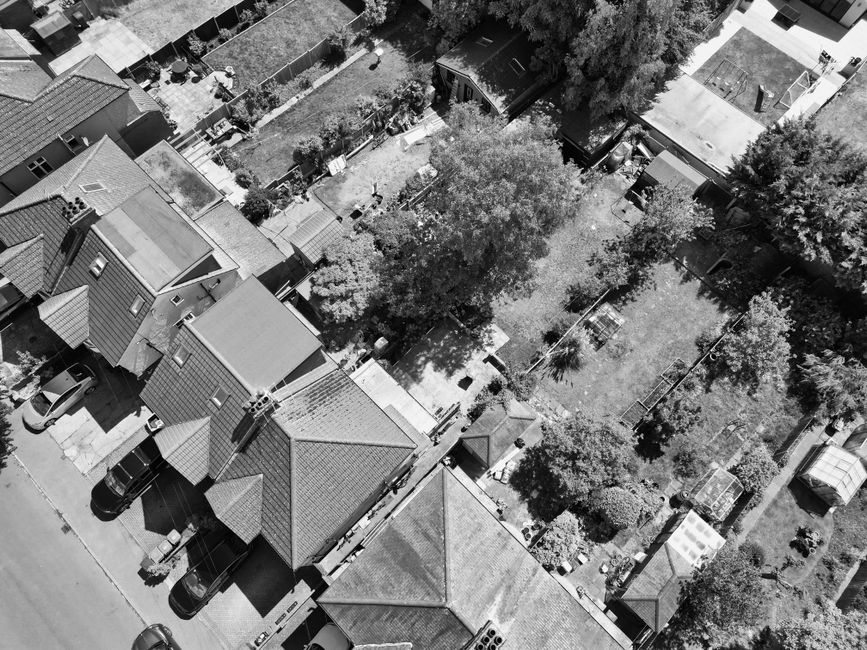
Before and After Local Garden Makeover N20 Case Study Gardeners
If you are looking at a tired, patchy, overgrown garden and wondering what it could become, you are in the right place. This before and after local garden makeover N20 case study gardeners article walks through the kind of transformation many homeowners want but struggle to plan. It covers what changes matter most, how a makeover is usually delivered, where the real value lies, and what to check before you book anyone in.
Garden makeovers are not just about making things look neat for a week or two. Done properly, they improve how you use the space, reduce maintenance, and make the garden feel like part of the home again. In a busy North London setting, that matters more than people think. A small change can make a big difference. Sometimes the answer is a better lawn, sometimes it is drainage, sometimes it is just clearing the lot and starting again.
This guide is written to be practical, human, and useful. You will find a clear step-by-step process, common mistakes, a simple comparison table, and a realistic example of how a local makeover can unfold. If you need a broader view of what a professional team can handle, you may also want to explore gardening services, landscaping, and garden clearance as you read.
Table of Contents
- Why Before and after local garden makeover N20 case study gardeners Matters
- How Before and after local garden makeover N20 case study gardeners Works
- Key Benefits and Practical Advantages
- Who This Is For and When It Makes Sense
- Step-by-Step Guidance
- Expert Tips for Better Results
- Common Mistakes to Avoid
- Tools, Resources and Recommendations
- Law, Compliance, Standards, or Best Practice
- Options, Methods, or Comparison Table
- Case Study or Real-World Example
- Practical Checklist
- Conclusion
- Frequently Asked Questions
Why Before and after local garden makeover N20 case study gardeners Matters
A good garden makeover does more than tidy up a space. It changes how the space feels, how easy it is to look after, and whether you actually want to spend time outside. That is the real point. The "before and after" part matters because it shows the gap between the garden as it is now and the garden as it could function in everyday life.
In N20, where many homes have modest front or rear gardens, the difference between cluttered and usable can be surprisingly dramatic. One small paved section, one smarter lawn edge, or one properly trimmed hedge can make the whole place feel calmer. You notice it when you step outside with a cup of tea in the morning and do not immediately think, oh no, where do I even start?
For homeowners, landlords, and anyone preparing a property for sale or rental, the visual shift also affects first impressions. A garden that looks maintained suggests the rest of the home has been cared for too. That is not a magic trick, just common sense with leaves removed.
It also matters because garden work is often underestimated. People assume it is only about cutting things back. In reality, the best before-and-after results usually come from combining clearance, shaping, soil improvement, lawn care, and one or two design choices that make maintenance easier afterwards. A makeover without a maintenance plan is just a temporary tidy-up. Bit of a shame, really.
How Before and after local garden makeover N20 case study gardeners Works
A local garden makeover usually begins with a simple assessment. The gardener looks at what is overgrown, what is salvageable, and what is causing the space to feel awkward or hard to use. Sometimes the problem is obvious: a worn lawn, poor fencing, mossy paving, neglected hedges, or beds full of self-set plants. Other times it is more about layout and proportion.
The process then moves into planning. This does not need to be complicated. A practical plan normally answers five questions: what is staying, what is going, what is being repaired, what is being improved, and how much ongoing upkeep the owner wants. Truth be told, those five questions solve a lot of headaches before they start.
From there, the work is scheduled in the right order. That usually means:
- Clearing waste and cutting back overgrowth.
- Removing damaged or unwanted material.
- Repairing hard or soft landscaping where needed.
- Reshaping edges, beds, and features for a cleaner layout.
- Finishing with mowing, trimming, cleaning, and final detail work.
Sometimes the work includes more specific tasks such as lawn care, lawn mowing, hedge trimming, or even patio cleaning. If structural elements need attention, then fencing or decking services may also be part of the plan.
One thing people often miss: a makeover should be sequenced, not just thrown at the garden all at once. If you cut and clear before you know what you are keeping, you can accidentally remove shape or screening that would have been useful. A decent gardener avoids that. No drama, no regrets.
Key Benefits and Practical Advantages
The most obvious benefit is visual improvement, but the practical gains are usually bigger. A well-executed makeover can make the garden easier to manage week by week, which means less stress and fewer jobs piling up. That matters for people who want a neat outdoor space without spending every Saturday wrestling with it.
Other benefits include:
- Better usability: the garden becomes somewhere you can sit, play, store items, or entertain without feeling cramped.
- Lower maintenance: smart trimming, edging, and planting choices reduce the time needed to keep things tidy.
- Improved light and flow: clearing dense overgrowth can brighten the space and make it feel larger.
- Healthier growth: proper lawn and plant care can improve the condition of what you keep.
- Stronger kerb appeal: especially useful before selling, letting, or welcoming visitors.
There is also an emotional side to it. A garden that feels manageable tends to get used more. You step outside more often. The birds sound clearer because you can actually hear them again. That sounds a bit poetic, maybe, but it is true enough.
For some households, the key advantage is safety. Broken surfaces, hidden clutter, unstable fencing, or low branches can make the space awkward. Clearing and reshaping the garden reduces those headaches and gives you a better sense of control. If larger growth needs attention, a gardener may recommend tree surgery or tree lopping and removal, depending on the situation and the tree's condition.
Who This Is For and When It Makes Sense
This kind of garden makeover makes sense for a few different types of people. Some have inherited a garden that has been left alone too long. Some are planning to move and want the property to look cared for. Others simply feel overwhelmed and want a clean, manageable outdoor space again.
You may be a good fit if:
- The garden is overgrown, uneven, or full of debris.
- The lawn is patchy, mossy, or buried under weeds.
- Paths, patios, or seating areas are dirty and underused.
- Hedges are blocking light or spilling into the usable area.
- You want a better layout without a full rebuild.
- You know the garden has potential, but not much else, to be fair.
It also makes sense if you need a seasonal reset rather than a full redesign. Not every garden needs a grand landscape plan. Sometimes a strong tidy-up, selective planting, and a few practical changes are enough. For ongoing support after the initial transformation, garden maintenance is often the most sensible next step.
If you are unsure whether the work is minor or major, ask yourself this: do you want a space that simply looks better for a few days, or one that genuinely works better for the next year? That answer usually points you in the right direction.
Step-by-Step Guidance
A proper makeover is easiest to understand when broken into stages. The order matters. The wrong sequence can create rework, and nobody enjoys paying twice for the same job. Very annoying, that.
1. Walk the garden properly
Start by looking at the whole space in daylight. Notice the path of movement, the darkest corners, any damp patches, and what catches your eye first. If the garden looks busy and cramped, the issue may be layout rather than size.
2. Separate the keepers from the removals
This is where a realistic decision helps. Some plants can be saved. Some surfaces can be cleaned. Some features need to go. A good gardener helps you distinguish between "needs work" and "past its best." That distinction saves money.
3. Clear first, shape second
Get rid of the clutter before refining the details. If there is heavy waste, old timber, broken pots, or dense growth, start with garden clearance. Once the space is open, the layout becomes easier to judge.
4. Deal with the hard surfaces
Patios, paths, and seating areas often set the tone. A dirty slab can make the whole garden feel neglected, even if the planting is good. Cleaning the surface can lift the space fast. If the paving is structurally poor, that is a different conversation, but often a thorough clean is enough to make the whole area look brighter.
5. Tackle the living structure
Hedges, shrubs, lawn edges, and trees frame the garden. They need shaping to make the rest of the work visible. This is where pruning, mowing, and careful trimming come in. If you need broader support, a team offering gardening services can coordinate the moving parts.
6. Finish with detail work
The final pass is where the result starts to look polished. Edges are sharpened. Waste is removed. Borders are neatened. The garden should feel intentional, not merely "done." That last 10% often makes the biggest impression.
Quick rule of thumb: if the garden still feels confusing at the end, the structure has not been simplified enough yet.
Expert Tips for Better Results
The best advice is often unglamorous. Use the garden you already have rather than trying to force a style that does not fit. A narrow urban garden in N20 is not a country plot, and that is fine. It just needs a design that respects its shape and light.
Here are a few practical tips that tend to improve the result:
- Keep one clear focal point. A seating area, a tree, or a clean lawn shape works better than too many features.
- Use repeated edges. Consistent lines make even small gardens feel calmer.
- Do not overfill borders. A crowded border looks lush for a moment, then turns messy.
- Choose maintenance you can actually sustain. This is the big one. A garden should suit your real life, not an imaginary one where you have three spare hours every Thursday.
- Think in seasons. What looks great in summer may feel bare in winter unless the structure is right.
Another useful habit is to ask what the garden should do most often. Is it a quiet sitting space? A play area? A low-maintenance backdrop? The answer changes the whole plan. You do not need every feature. You need the right features.
If privacy is important, consider hedge work and screening before adding more decorative elements. If the ground is tired, invest in lawn care before buying extra ornaments. That order usually gives better value.
Common Mistakes to Avoid
People often make a garden makeover more complicated than it needs to be. That is understandable. When a space looks rough, it is tempting to rush into buying plants or features. But without a plan, those purchases can end up making the garden busier, not better.
Common mistakes include:
- Starting with planting before clearing. You need a clean base first.
- Ignoring drainage or uneven ground. A pretty surface does not help if water sits everywhere.
- Over-trimming hedges and shrubs. You can remove a lot in one go and lose shape you actually wanted to keep.
- Forgetting access. Waste removal and tool access matter more than people think.
- Choosing high-maintenance features for a low-maintenance goal. That sounds obvious, but it happens constantly.
There is also the mistake of treating the makeover as a one-off event and nothing else. A garden needs a bit of follow-through. Even a beautifully transformed space will slide backwards if it is never maintained. Not a disaster, just reality.
One slightly hidden issue is scale. A tiny courtyard can look cluttered very quickly, so every item needs to earn its place. A larger garden can absorb more variation, but it still needs structure. That balance is the skill, really.
Tools, Resources and Recommendations
You do not need every gadget under the sun. In fact, too much kit can complicate the work. A professional team typically relies on a sensible mix of cutting, clearing, edging, cleaning, and transport equipment. The exact tools depend on the garden, but the principle stays the same: use the right tool for the job, and use it in the right order.
For homeowners trying to understand the process, the most useful "resources" are simple:
- A clear list of priorities for the garden.
- Photos taken in good daylight, before any work begins.
- Notes on what you want to keep, remove, or improve.
- A rough idea of whether your priority is tidiness, usability, or visual impact.
For service selection, it helps to review the team's approach to professional standards, safety, and transparency. Pages such as about the company, insurance and safety, health and safety policy, and recycling and sustainability can help you judge whether they work in a careful, responsible way.
If you are budgeting, it is wise to request a clear outline of what is included. A garden makeover can be a small tidy-up, a medium-scale refresh, or a larger landscaping project. The more clearly the scope is set, the better the comparison. You can also review pricing and quotes before deciding how to proceed.
Law, Compliance, Standards, or Best Practice
For domestic garden work in the UK, the main thing to remember is that good practice and sensible care matter more than grand claims. Gardeners should work safely, dispose of waste responsibly, and avoid causing unnecessary damage to trees, structures, or neighbouring properties. If a job involves significant tree work, access issues, or heavy clearance, safety planning becomes even more important.
Best practice usually includes:
- Checking access routes before starting work.
- Using appropriate personal protective equipment.
- Separating recyclable green waste from general waste where practical.
- Avoiding unsafe overreach when pruning or removing material.
- Respecting neighbouring boundaries and shared areas.
Some jobs may also involve additional judgement around tree condition, species, and risk. That is where experienced tree professionals are useful. If there is any uncertainty about a larger specimen, it is safer to discuss tree surgery rather than guessing. Guessing with trees is never a great plan. Trees have a way of winning those arguments.
On the customer side, it is sensible to review terms, payment expectations, and complaint procedures before work begins. That is not being awkward; it is just good housekeeping. You may find payment and security, terms and conditions, and complaints procedure useful for peace of mind.
Options, Methods, or Comparison Table
Not every garden makeover needs the same approach. Some gardens need a clean reset. Others need a more considered landscape refresh. The table below gives a simple way to compare common approaches.
| Approach | Best for | Typical focus | Pros | Watch out for |
|---|---|---|---|---|
| Clear-and-tidy makeover | Overgrown or cluttered gardens | Removal, trimming, mowing, basic shaping | Fast visual improvement, lower cost, simple to maintain | Can feel too basic if the layout is poor |
| Refresh and repair | Gardens that are usable but tired | Cleaning, edging, lawn repair, hedge work, small fixes | Balanced result, good value, better everyday use | Needs a bit more planning |
| Landscape-led makeover | Gardens needing structure or new zones | Layout changes, borders, surfaces, features, planting plan | Stronger long-term result, more cohesive feel | More time, more coordination, higher cost |
| Maintenance-led improvement | Gardens already in decent shape | Regular upkeep and seasonal adjustments | Keeps standards high, prevents decline | Less dramatic "before and after" effect |
If you are not sure which route fits, start with the least disruptive option that solves the actual problem. That is usually the smartest move. A full transformation is great, but it should be driven by need, not just excitement.
Case Study or Real-World Example
Here is a realistic local example, based on the kind of work often carried out in N20.
A rear garden had become a mix of overgrown shrubs, patchy turf, a dirty patio, and a few tired boundary plants that had outstayed their welcome. The owner wanted a space that felt calmer and easier to use, especially for short evenings outside after work. They were not looking for a show garden. Just something decent, neat, and a bit more inviting.
The work began with a full clear-out of loose debris and dead growth. Once the clutter went, the space already felt larger. The next stage focused on hedge trimming, reshaping the borders, and cutting back plants that were blocking light. The lawn received attention too, because the grass had become uneven and thin in places. A patio clean made an immediate difference; the difference was visible before the water even dried.
After that, the layout was simplified. A few unnecessary items were removed. The edges were sharpened. The garden gained a better sense of direction, with the sitting area reading as a proper space rather than an afterthought. No flashy extras, no fuss. Just a more usable garden.
What mattered most in the before-and-after result was not any single feature. It was the combination of cleaner lines, clearer space, and reduced visual noise. That is often the secret with local makeovers. The garden does not need to become something else. It needs to become the best version of itself.
For follow-up care, the owner could then use regular garden maintenance to keep the work from slipping back. That final part is easy to skip, but in practice it is what protects the investment.
Practical Checklist
Use this before booking or starting a local garden makeover.
- Decide what you want most: tidier look, better use, easier upkeep, or all three.
- Take a few clear photos of the garden in daylight.
- List what must stay, what can go, and what you are unsure about.
- Check whether the lawn needs repair, mowing, or full treatment.
- Look at hedges, fences, and trees for obvious maintenance needs.
- Think about surfaces such as patios, paths, and steps.
- Ask how waste will be removed and whether recycling is considered.
- Review safety, insurance, and working practices before any work begins.
- Set a realistic budget and timeline.
- Plan simple follow-up maintenance so the garden stays in good shape.
One small tip: walk the garden again after you have written your checklist. People usually spot one more thing. Every time.
Conclusion
A strong before-and-after garden makeover is not about dramatic reinvention for its own sake. It is about making a local N20 garden feel cleaner, more usable, and easier to live with. That might mean a full clearance, or it might mean a careful blend of trimming, mowing, cleaning, and layout improvements. Either way, the result should feel natural, not forced.
The best projects are the ones that respect the space, match the owner's actual needs, and leave behind a garden that is simple to enjoy. If you keep the plan practical and the finish tidy, the improvement will last longer and feel better day to day. And that, honestly, is the bit people remember when they step outside in the evening and think, yes, this works now.
Get a free quote today and see how much you can save.
For a deeper look at who carries out the work and how standards are handled, you can also review the team's about us page, then compare it with the practical service pages that match your garden's needs.
Frequently Asked Questions
What does a before and after local garden makeover usually include?
It usually includes clearing, trimming, mowing, cleaning surfaces, reshaping borders, and improving the layout or structure so the space looks better and is easier to maintain.
How long does a garden makeover in N20 normally take?
It depends on the size and condition of the garden. A small tidy-up may take a short visit, while a larger makeover with clearance, hedge work, and surface cleaning can take longer.
Is a garden makeover the same as landscaping?
Not always. A makeover can be light or moderate improvement work, while landscaping often involves more structural or design-led changes. There is overlap, though.
Do I need garden clearance before any other work starts?
In many cases, yes. Clearing away debris, dead growth, and unwanted items makes it much easier to see what the garden actually needs.
What makes a local garden makeover worth the cost?
It is worth it if the work improves how you use the garden, reduces maintenance, and gives the whole property a cleaner appearance. The value is often in the practicality, not just the look.
Can a tired lawn be saved during a makeover?
Often, yes. If the lawn is not beyond repair, mowing, feeding, scarifying, reseeding, or other lawn care steps can make a visible difference.
Should I clean the patio during a garden makeover?
Usually, yes. A dirty patio can make the whole garden feel older and duller than it really is. Cleaning it often gives a quick visual lift.
How do I know if hedge trimming is enough or if more work is needed?
If the hedge is simply overgrown, trimming may be enough. If it is blocking light, out of shape, or affecting the layout, a broader plan may make more sense.
Is tree surgery always necessary for large trees?
No. Some trees just need sensible pruning or reduction, while others may need specialist attention. If there is any doubt about safety or condition, it is better to ask an experienced professional to assess it.
What should I ask before booking a gardener for a makeover?
Ask what is included, how waste will be handled, whether they are insured, what the timeline looks like, and whether the result will need follow-up maintenance.
How do I keep the garden looking good after the makeover?
Regular maintenance is the key. A little mowing, trimming, weeding, and checking the garden each season stops the space slipping back into a neglected state.
Can a small garden still have a noticeable before and after result?
Absolutely. Small gardens often show the biggest change because a few smart adjustments can completely alter how open and usable the space feels.